New developments in organ and tissue transplantation
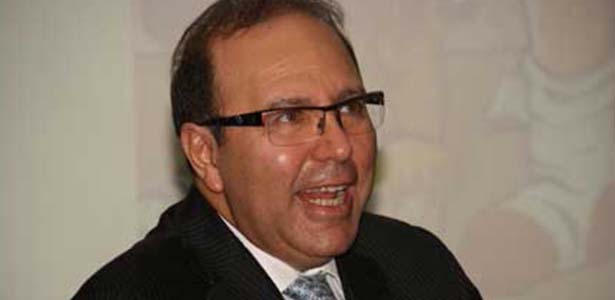
Transplants of cartilage, meniscus, and ligaments from cadavers—a procedure that has been performed abroad for quite some time—will now be performed in Turkey.
Ankara University Faculty of Medicine (AÜ) hosted a conference titled “New Steps in Organ and Tissue Transplantation: The Musculoskeletal System.” The event was attended by orthopedic specialists in the field, as well as organ transplantation coordinators from both private and public universities in Ankara. At a meeting providing comprehensive information on the “Tissue Banking” unit established within the Ankara University Faculty of Medicine, it was stated that in addition to organ transplants following donations of organs such as kidneys, livers, and hearts, the musculoskeletal
system—including cartilage, menisci, and ligaments—has now been included.
At the meeting, which emphasized the importance of organ donation, organ transplant coordinators were provided with detailed information on cartilage transplantation, and an explanation was given regarding how bodily integrity is preserved following the procedures performed in the event of the donor’s death during discussions with the patient’s family members.
In his speech, Prof. Dr. Mehmet Binnet, a faculty member in the Department of Orthopedics and Traumatology at the Ibn Sina Hospital of Ankara University’s Faculty of Medicine, stated that healing is extremely difficult following injuries to joint cartilage in adults and adolescents, and that these patients eventually develop early-onset osteoarthritis and progressive joint dysfunction.
Binnet noted that this condition, which leads to a decline in quality of life, causes pain and limited mobility, and added that meniscus, ligament, and cartilage transplants can now be performed using cadaveric tissue when organ donation is available. Binnet noted: “Recalling that a Tissue Bank was established within the university following the latest regulation, he stated, ‘Bones, menisci, and ligaments obtained from cadavers who have donated their organs have been collected at the Tissue Bank. All stages of tissue banking—from obtaining materials from cadavers to their preparation, storage, and transplantation into patients—are provided by a non-profit bank established within the Faculty of Medicine at Ankara University.”
Tissues stored or prepared in a tissue bank are biological materials that are recognized by the body and processed accordingly. Bone tissues, in particular, become the patient’s own bone as they remodel over time. They generally do not pose a significant problem from an immunological standpoint. They are ideal for treating extensive tissue loss, and there are no limitations on the amount of tissue available. Surgical duration and hospital stay are shorter.
A mild allergic reaction may occur. There is a potential risk of disease transmission. The preparation and sterilization stages require significant effort and intensive work.
“Various surgeries will be performed in this field during the month of January.” Prof. Dr. İlker Ökten, Dean of the Faculty of Medicine at Ankara University, also stated that organ transplants at university hospitals have begun to decline rapidly following developments in the healthcare sector and regarding the Social Security Institution (SUT). Ökten, who emphasized the need to support universities in this area, stressed that the necessary facilitation measures must be provided.
Following the discussions, in response to a question from organ transplant coordinators asking, “How will bodily integrity be preserved after the operation?” experts explained that the removed bone or other tissues are filled in various ways, ensuring that integrity is not compromised.
Source Link: https://www.medimagazin.com.tr/hekim/tibbi-uygulamalar/tr-organ-vedoku-naklinde-yeni-adimlar-2-19-40124.htm