Cartilage Derived from Stem Cells Helps Patients Walk Again
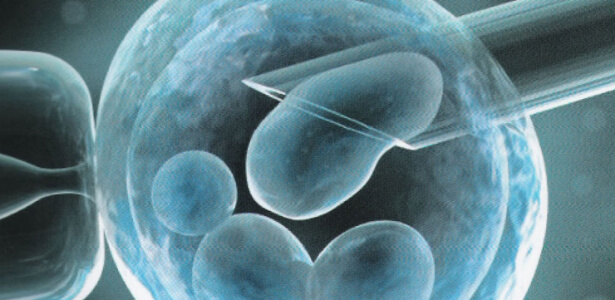
Cartilage damage in the knee can be treated quickly using cartilage derived from adult stem cells obtained from the patient and multiplied in laboratories using specialized methods.
Orthopedic and Traumatology Specialist Prof. Dr. Mehmet Binnet told an AA reporter that cartilage tissue performs many important functions, such as bearing mechanical loads, reducing friction to lower the amount of energy required for movement, and providing a pain-free range of motion.
Binnet noted that the cartilage found in all the body’s joints is typically 2 to 4 millimeters thick, and explained that problems with the cartilage trigger osteoarthritis and joint aging, thereby reducing a person’s mobility and lowering their quality of life.
Binnet pointed out that a sedentary lifestyle and obesity can lead to cartilage damage and injuries, particularly in the knee joint, and explained that treatment typically involves surgical procedures, with prostheses being implanted to restore the joint’s function in the long term.
Noting that the medical field is seeking new treatment methods to delay joint aging as much as possible and help patients get back on their feet, Binnet stated that one of these new approaches is “cartilage production using adult stem cells.”
– Cartilage cells are obtained from the person’s own tissue
Binnet explained that the treatment, known as “autologous chondrocyte implantation,” involves a two-stage procedure using adult stem cells to treat cartilage.
Binnet, who explained how the method is applied, continued as follows:
“The adult stem cell method for treating cartilage injuries involves taking a very small amount of cartilage cells from a healthy area of the patient’s body, multiplying them in a laboratory setting, and then re-implanting them into the damaged area.”
In the first stage, a small biopsy of 3–4 milliliters is taken from the healthy cartilage of the knee joint during surgery. The approximately 3,000–4,000 cells obtained from the biopsy are cultured to yield 10–12 million cells. This process in the laboratory takes an average of three to six weeks. In the past, we used to send cartilage cells to laboratories abroad for production. However, there is no longer a need to send them abroad. The newly obtained cartilage is essentially “glued” to the damaged area during the procedure.”This procedure utilizes fibrin, another blood product. Patients recover quickly after the operation and are able to get back on their feet. The method has a very high success rate. The procedure improves the patient’s quality of life.”
Binnet explained that the patient must spend a six-week period without putting weight on the leg following the procedure, stating, “Because, even though it is the patient’s own tissue, it takes some time for the cartilage cells to adhere to the damaged area. At the end of this process, physical therapy is administered to restore knee function, and the patient is able to walk and run as before.”
Prof. Dr. Binnet emphasized that cartilage damage can result from various causes, such as certain medications used long-term in chronic conditions, obesity, or trauma, and stressed that the aim of this method is to delay joint aging as much as possible.
– He was able to stand up using the adult stem cell method
Ali Alay, who was unable to walk for three months due to cartilage damage in his knee sustained while dancing the halay at his brother’s wedding, is one of the patients who was able to walk again following a cartilage transplant using “adult stem cells.”
Alay stated that, despite having no prior health issues, he suddenly felt severe pain in his left knee and had difficulty walking; he added that an examination revealed damage to the cartilage in his knee joint.
Alay said he was able to walk again thanks to the “cartilage production using adult stem cells” procedure.